
Program Portfolio

Explore tailored academic and research pathways that prepare you for careers in space science, technology, policy, and industry leadership. 

Department of Space Studies (DSS)

Charting the Future of Extraterrestrial Exploration & Innovation
Welcome to the forefront of the new space age. The Department of Space Studies at MERI is dedicated to preparing the next generation of engineers, scientists, and policy-makers for the burgeoning global space economy.

pannusir
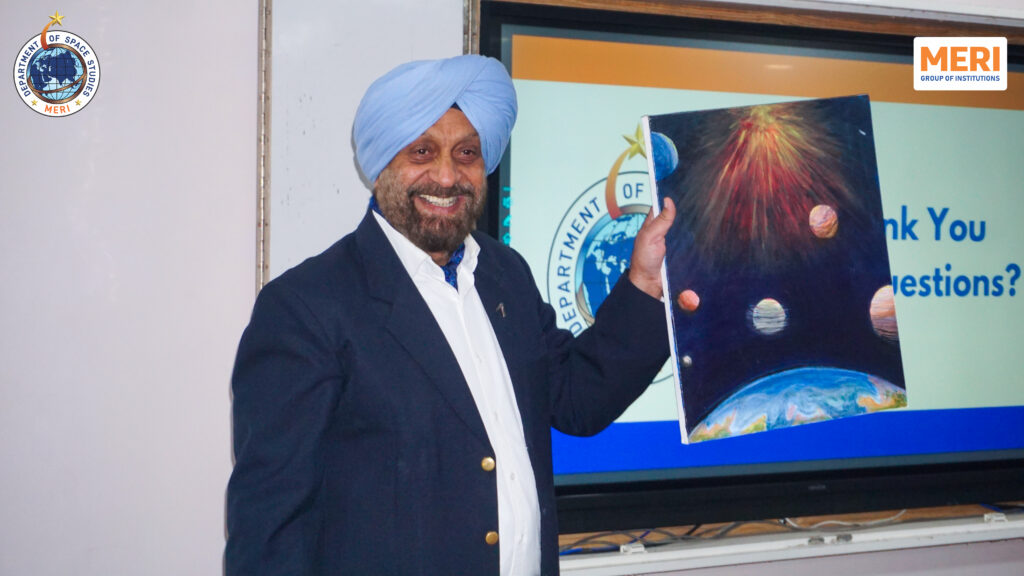
Lieutenant General PJS Pannu (RETD)
Program Overview​

Our curriculum bridges the gap between theoretical astrophysics and practical aerospace engineering. We offer a multidisciplinary approach, ensuring our graduates are equipped for roles in satellite communications, deep-space exploration, and orbital logistics.

Key Specializations

Aerospace Engineering & Propulsion

Focus on rocket engines and orbital mechanics

Satellite Technology

Hands-on training in CubeSat development and remote sensing.

Space Law & Policy

Navigating the legalities of international space treaties and commercial mining.

Astrophysics & Data Science

Analyzing cosmic data using AI and machine learning.

Why Study Space at MERI?

advanced labs

Advanced Labs

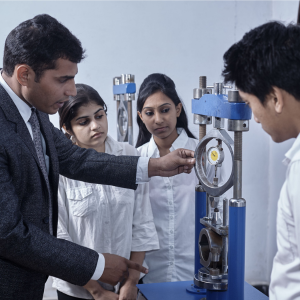
Access to propulsion test beds and clean rooms for satellite assembly.
industry linkage

Industry Linkage

Partnerships with ISRO, NASA, and private entities like SpaceX and Skyroot.
expert faculty

Expert Faculty

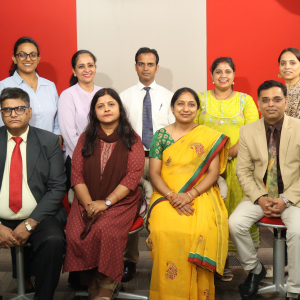
Led by PhDs and former scientists from premier space agencies.
Aerial view of Suvarnabhumi Airport's futuristic terminal with modern design and spacious interior.

Innovation Hub

An incubator dedicated specifically to “Spacetech” startups.

Curriculum & Labs

Our facilities are designed to mirror real-world mission control environments. Students don’t just read about space; they simulate missions.

Mission Control Simulation Suite

Practice real-time satellite tracking and anomaly resolution.

Propulsion Research Lab

Study chemical and electric propulsion systems

Observatory

Equipped with high-aperture telescopes for celestial data collection.
dsc09759 edit

Space is not a destination; it's a new frontier for human ingenuity. At MERI, we don't just look at the stars; we build the tools to reach them

Career Opportunities

The global space economy is projected to reach $1 trillion by 2040. MERI graduates find success in:

Launch Providers

Technical roles in rocket design and launch operations.

Defense & Intelligence

Analysts for geospatial intelligence and secure comms.

Research Organizations

Academic and government-funded deep space research.

Commercial Space Firms

Roles in space tourism and asteroid mining logistics.