PAYLOADS, SENSORS & AI:
MULTI-ORBITAL COMPLEXITIES
Conference on Advanced Payload Engineering, Intelligent Sensing Systems, and Multi-Orbital Space Architectures
Date: 21 July, 2026
Venue: MERI Group of Institutions, Janakpuri, New Delhi
Organized by: MERI Department of Space Studies (MERI DSS) and Space Industry Association of India (SIA-India)
About the Conference
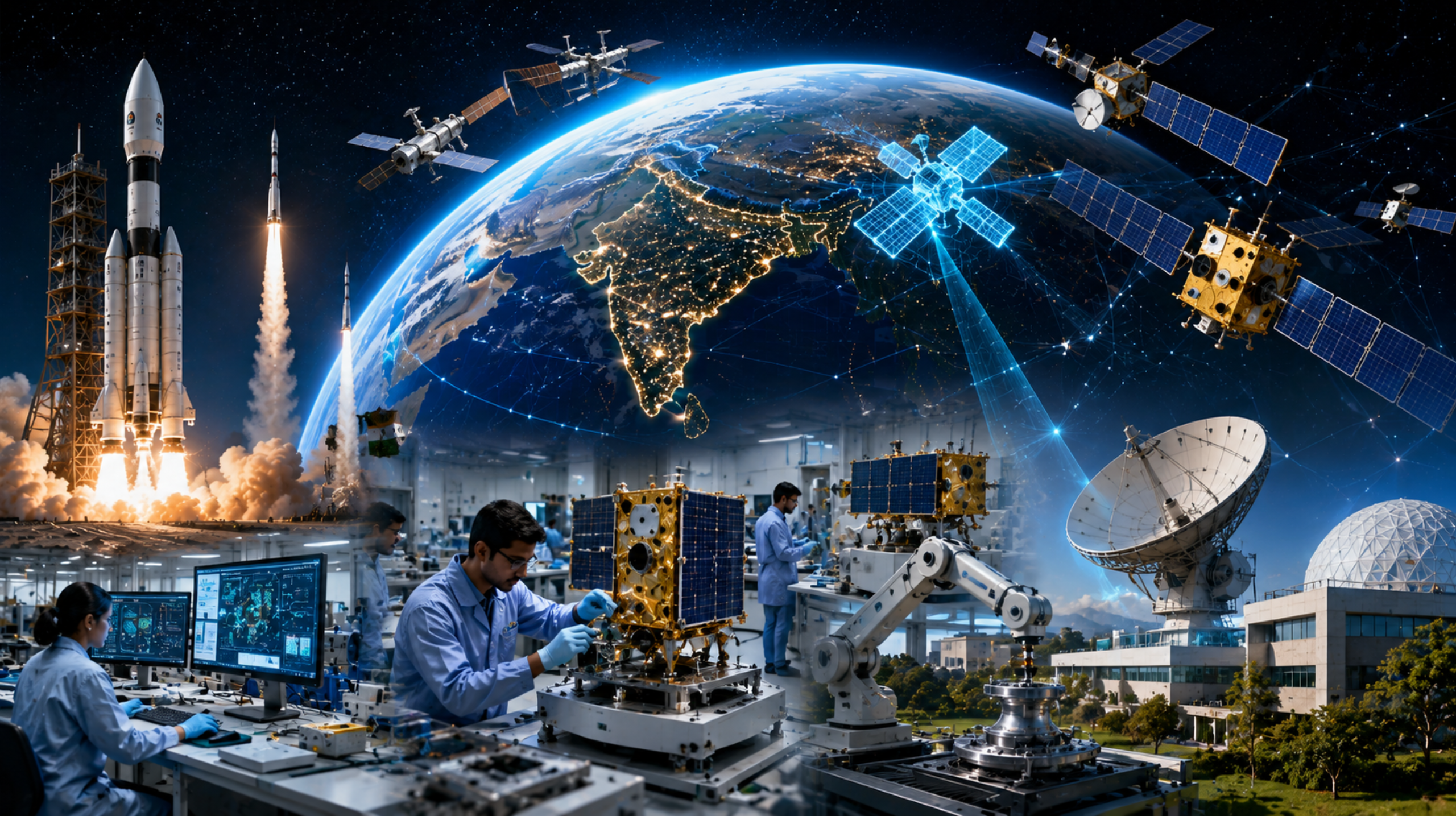
The global space sector is rapidly evolving from isolated satellite missions to interconnected multi-orbital ecosystems operating across Low Earth Orbit (LEO), Medium Earth Orbit (MEO), Geostationary Earth Orbit (GEO), and Highly Elliptical Orbits (HEO). These emerging architectures require sophisticated payloads and intelligent sensor systems capable of operating seamlessly across diverse orbital environments.
Modern satellite constellations support critical functions including Earth observation, climate monitoring, navigation, secure communications, defense operations, disaster management, and deep-space exploration. As mission requirements become increasingly complex, there is a growing need for adaptive payload technologies, AI-enabled sensing systems, resilient communication frameworks, and autonomous onboard processing capabilities.
This conference provides a multidisciplinary platform for academicians, aerospace engineers, researchers, defense experts, policymakers, industry leaders, and technology innovators to discuss the scientific, technological, operational, and strategic dimensions of next-generation payload and sensor systems. It aims to foster dialogue on future-ready space technologies that will shape intelligent and resilient multi-orbital infrastructures.
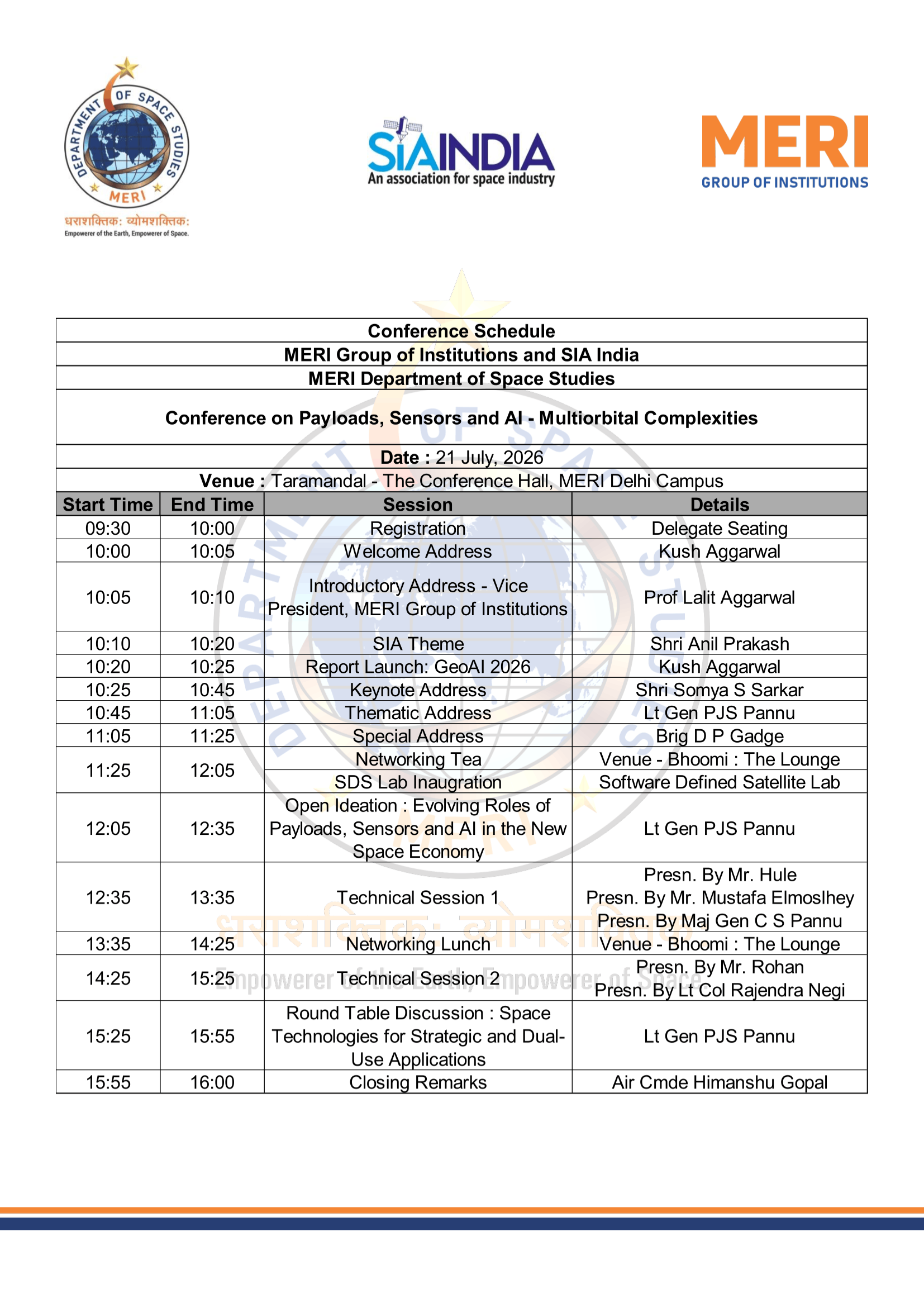
Event Schedule
Our Speakers
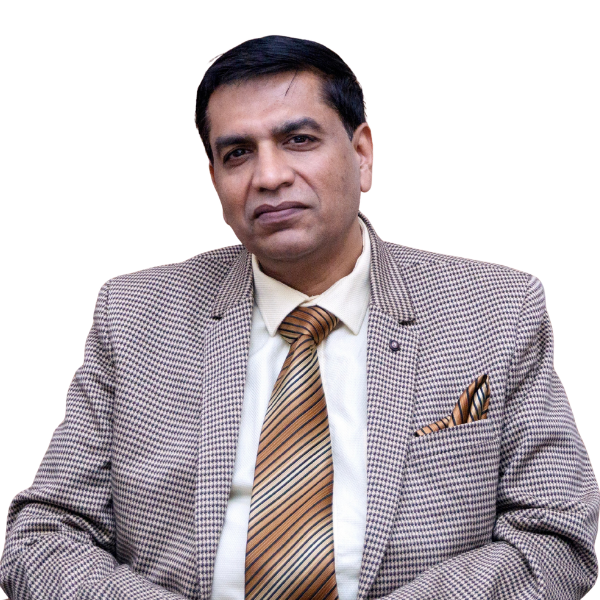
Prof Lalit Aggarwal
Vice President,
MERI Group of Institutions
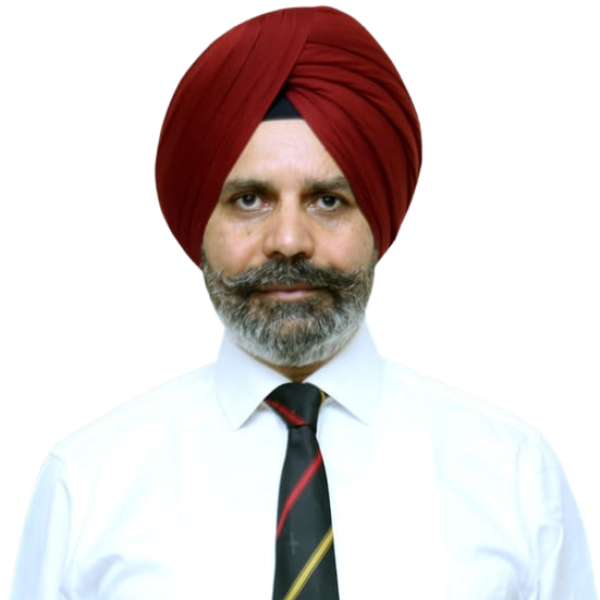
Lt Gen PJS Pannu (Retd.)
Dean & Chief Mentor,
MERI Department of Space Studies
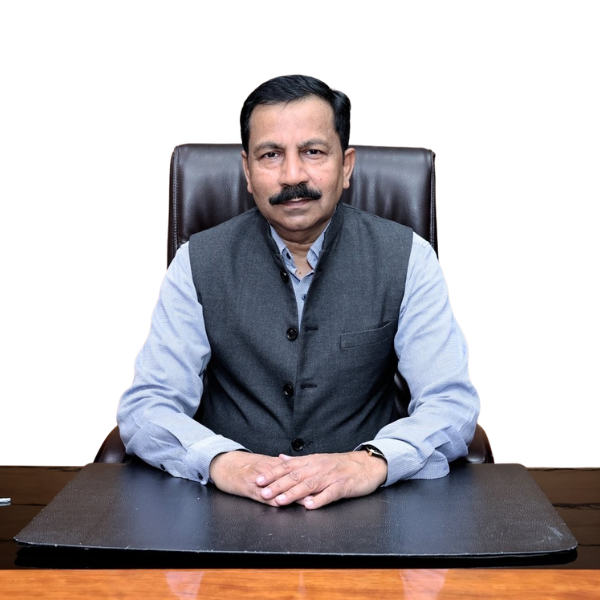
Shri Somya S. Sarkar
Distinguished Scientist, Director,
Space Applications Center (SAC/ISRO), Ahmedabad
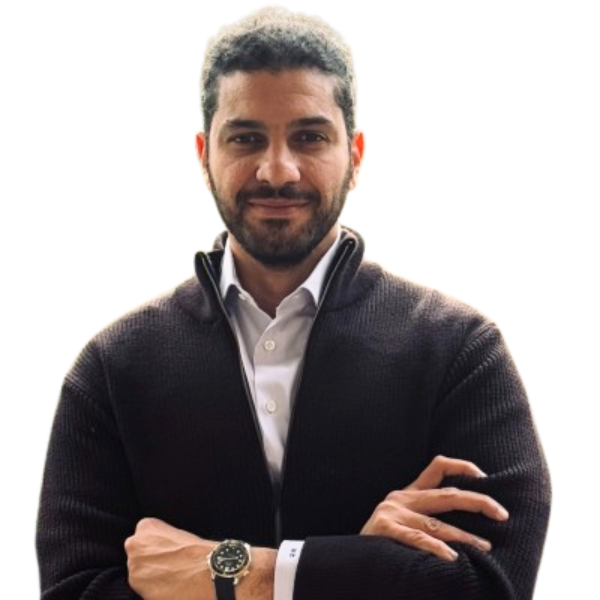
Shri Mustafa Elmoslhey
Founder and CEO,
Seker Space Intelligence S.A.,
Luxembourg
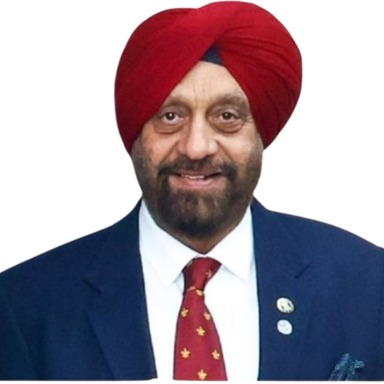
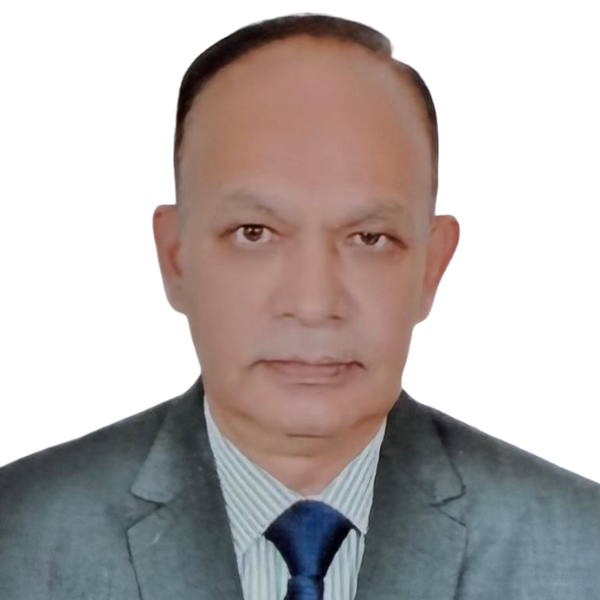
Maj Gen C S Pannu (Retd.)
SM
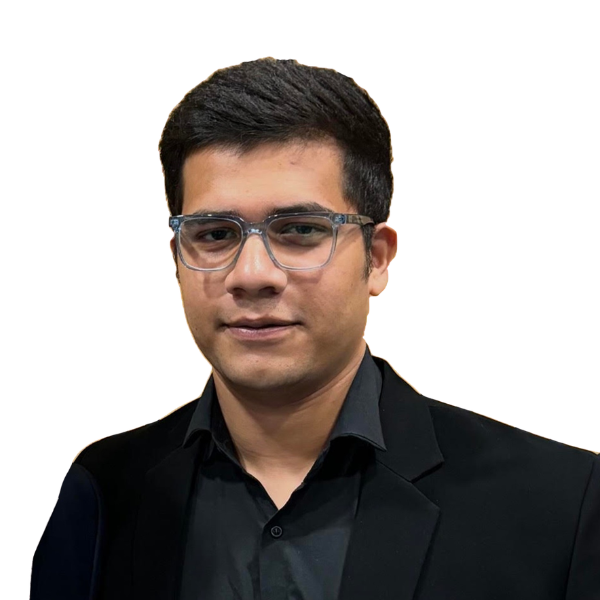
Shri Shubhham Hule
Spacecraft Systems Engineer,
Sanyark Space
Lt Col Rajendra Negi (Retd)
Vice President,
Ananth Technologies Pvt Ltd
Shri Rohan Suresh
Founder,
Mosaic Defence
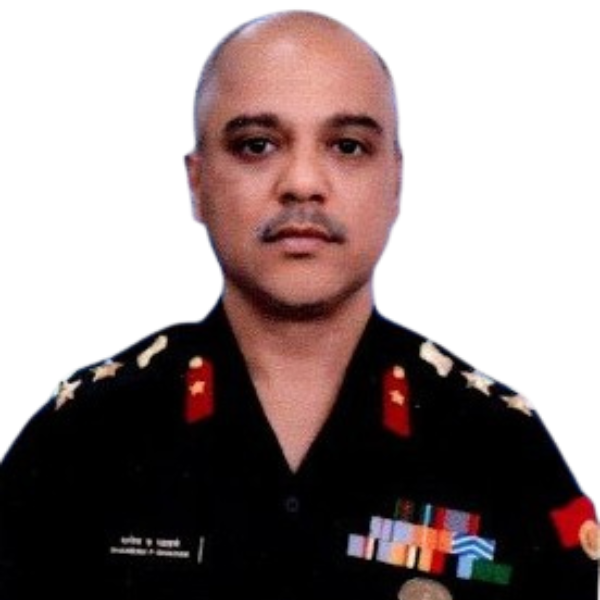
Brig D P Ghadge
SFE,
Defence Space Agency
Who Should Attend
- Universities and Research Institutions
- Aerospace Engineers and Scientists
- Space Technology Professionals
- Defense and Strategic Community
- Satellite and Sensor Manufacturers
- Government and Policy Experts
- Industry Leaders and Innovators
- Space Startups and Entrepreneurs
Scope of the Conference
The conference will explore emerging challenges, innovations, and opportunities in payload engineering and intelligent sensing technologies across multi-orbital environments through the following focus areas:
Remote Sensing and Earth Observation Technologies
Experts will discuss advanced imaging systems, environmental monitoring technologies, and next-generation Earth observation capabilities.
Hyperspectral, Multispectral,
and SAR Payload Systems
The conference will explore innovations in hyperspectral imaging, multispectral sensors, and Synthetic Aperture Radar (SAR) technologies for enhanced data acquisition and analysis.
Payload and Sensor Design for Diverse Orbital Environment
Discussions will examine the engineering requirements for designing payloads and sensor systems capable of operating efficiently across LEO, MEO, GEO, and HEO missions.
Positioning, Navigation, and Timing (PNT) Integration
Sessions will examine the critical role of PNT systems in payload synchronization, mission coordination, and orbital operations.
AI-Enabled Onboard Processing and Autonomous Systems
The conference will explore artificial intelligence, edge computing, and autonomous decision-making technologies that enhance mission performance and operational efficiency.
Space Situational Awareness and Orbital Debris Monitoring
Experts will discuss technologies for tracking space objects, monitoring orbital congestion, and improving operational safety in increasingly crowded space environments.
Objectives of the Conference
Advance Understanding of Multi-Orbital Payload Engineering
To examine the scientific and engineering complexities associated with designing payloads and sensors for diverse orbital environments.
Promote Innovation in Space Technologies
To explore emerging advancements in Earth observation systems, communications payloads, intelligent sensing technologies, and autonomous space operations.
Encourage AI Integration in Space Missions
To highlight the role of artificial intelligence, onboard analytics, and edge computing in enhancing mission capabilities.
Address Strategic Space Challenges
To discuss critical issues including spectrum management, orbital congestion, communication efficiency, and space situational awareness.
Strengthen Indigenous Space Capabilities
To support India’s growing ecosystem for payload engineering, advanced space manufacturing, and next-generation satellite constellations.
Foster Industry–Academia Collaboration
To create opportunities for partnerships, research collaboration, innovation, and practical technology implementation.
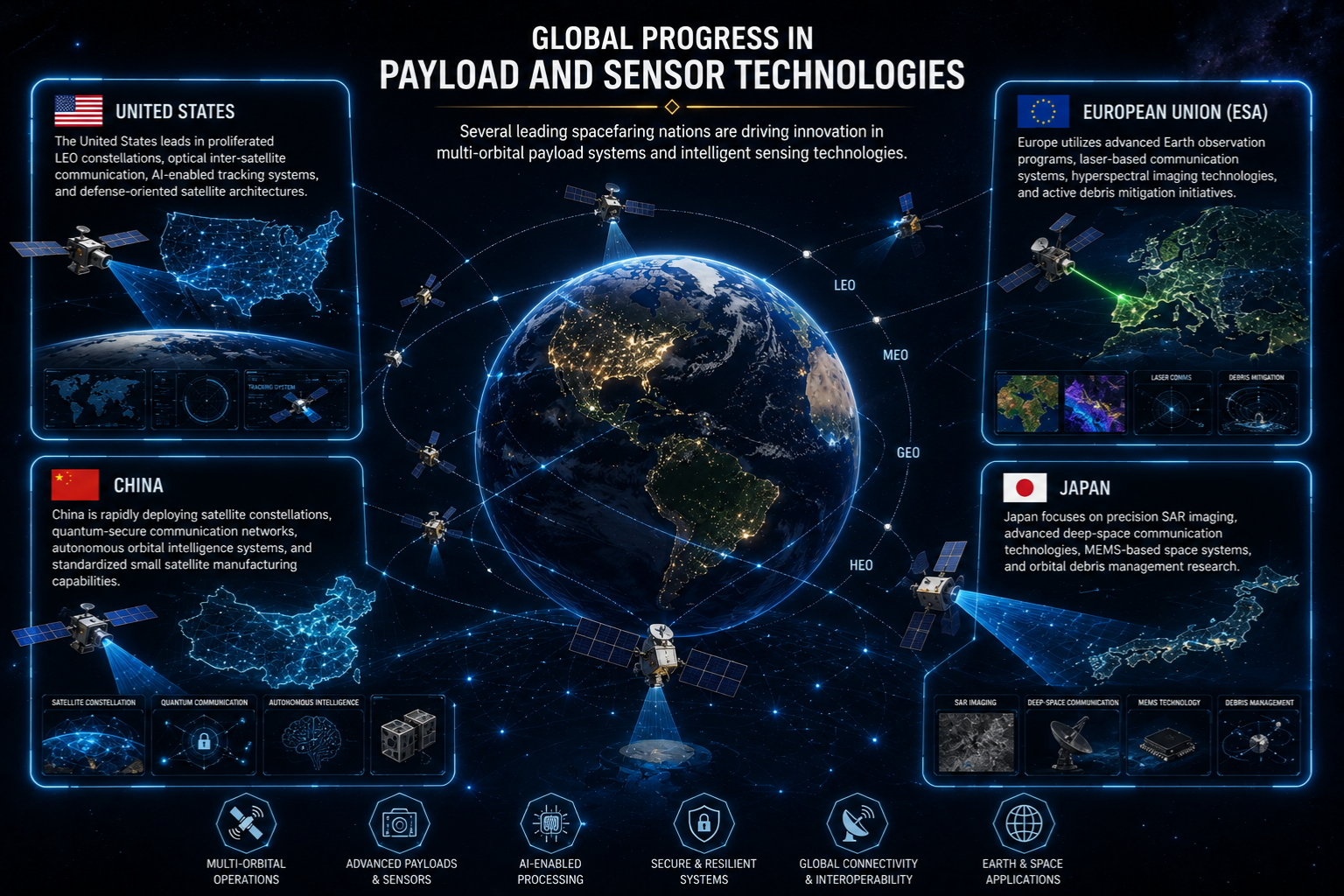
Global Progress in Payload and Sensor Technologies
Several leading spacefaring nations are driving innovation in multi-orbital payload systems and intelligent sensing technologies.
United States
The United States leads in proliferated LEO constellations, optical inter-satellite communication, AI-enabled tracking systems, and defense-oriented satellite architectures.
European Union (ESA)
Europe utilizes advanced Earth observation programs, laser-based communication systems, hyperspectral imaging technologies, and active debris mitigation initiatives.
China
China is rapidly deploying satellite constellations, quantum-secure communication networks, autonomous orbital intelligence systems, and standardized small satellite manufacturing capabilities.
Japan
Japan focuses on precision SAR imaging, advanced deep-space communication technologies, MEMS-based space systems, and orbital debris management research.
Venue
MERI Group of Institutions, Janakpuri, New Delhi
Organized by: MERI Department of Space Studies